
Caseworker spotlight
Matt is a regional caseworker for the Fund, supporting beneficiaries in the East of England. He joined the RAF when he was 17 and served for 12 years.
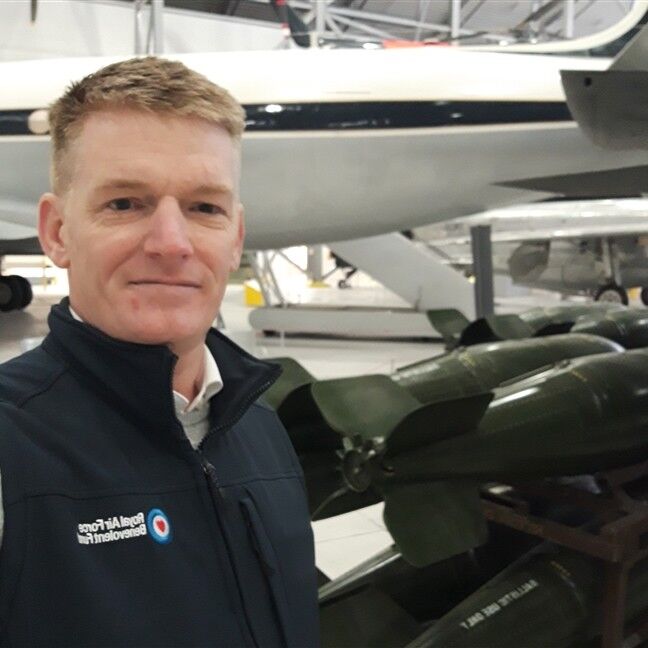
Q: Can you give a bit of background about your experience?
A: After I left the RAF, I worked with the homeless for a short period and joined a mental health rehab team with the NHS. I moved to social work with SSAFA at RAF Wittering before joining the Fund in 2019 as a Community Engagement Worker and, when the Fund branched out into case working, I switched roles to cover the East of England. Our service has expanded since then and I am now the Team Leader.
Q: What is it you do at the Fund?
A: My role is home-based and covers casework in the East of England but I also manage the allocation of requests coming into the team. Case working involves assessing and counselling clients to understand their needs and then developing plans to address those needs; we provide referrals for services, then advocate for them while supporting their progress.
Q: What does a normal day or week look like for you?
A: Every day is different. I triage cases coming in and allocate them to the appropriate worker and then switch to my Caseworker hat to engage with beneficiaries to complete their assessments for support. As a team we aim to visit people at home where possible as this gives a better holistic view of their needs. So, part of my week is usually taken up travelling from Peterborough where I am based to anywhere in the east.
Q: What do you love most about your job?
A: Supporting people in need. It is a real pleasure to be able to assist in supporting veterans and their families when they need it. This can be large amounts of money, but often it is small, short-term support to get someone over a bad time that has just as positive effect.
Q: Is there a case you’ve worked on recently that really stuck with you?
A: K got in touch via our website asking for a minor grant. He had been suffering with his mental health and had lost his job, while at the same time separating from his partner. Whilst we approved the grant, we knew there was more we could do and so I met with him in his emergency accommodation (over 20 miles away from his children) which was not fit for purpose and was able to give him an emergency grant payment for food and a referral to our Benefits Advice team as he was not receiving any state funds. We were able to get him in a property closer to his children and near his friends and family so he could restart his life. I have since heard from K a couple of times to thank us again and say work is going well and he is starting mediation with his ex and planning to see his kids again. His mental health has improved, his future is brighter and he’s back working too.
Q: Is there anything you would like to say to those who are thinking about, or have already left a gift in their Will to the Fund?
A: K is just one of thousands of cases my team and I work on every year. Over half of our work would not be possible without legacy gifts, so thank you if you’re thinking of, or already have left a legacy gift in your Will.