

From the Battle of Britain to the F-35: the enduring spirit of RAF engineers
Published:
Categories:
RAF stations, World War Two, Battle of Britain news, RAF Family,
During the Battle of Britain, while pilots took to the skies, teams of mechanics and engineers worked tirelessly on the ground to keep aircraft serviceable and ready to return to the fight.
More than 80 years later, the technology may be very different, but Sergeant John Cross believes the same spirit remains.
John has served in the RAF for 17 years as an Aircraft Mechanical Engineer and is also an RAF Benevolent Fund Station Champion. During his career, he has worked on the Eurofighter Typhoon, Tornado GR4 and F-35 Lightning II, as well as spending four years teaching mechanical engineering.
When his one-year-old son, Henry, was admitted to hospital with a severe case of croup that left him requiring intensive treatment, John turned to the Fund for support.
The Fund provided a £400 grant to help cover accommodation, food and travel costs, enabling John and his family to visit Henry every day without the added stress of unexpected expenses. The support allowed the family to focus entirely on Henry’s recovery, while the reassurance that further help was available provided much-needed comfort and peace of mind.
Experiences like this have reinforced John's belief in the strength of the RAF Family and the importance of supporting one another, values he believes have endured throughout RAF history.
“The spirit of the Royal Air Force remains the same now as it did during the Battle of Britain,” John said. “Although the technology has changed, the feeling of being part of something so important remains.”
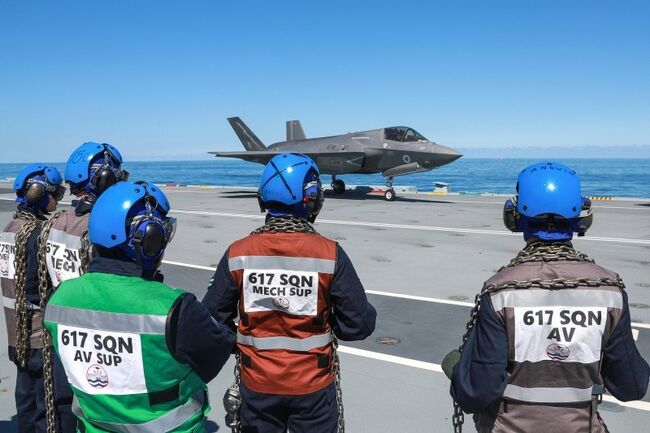
John experienced that sense of purpose particularly strongly while serving with 11 Squadron during Operation Ellamy in 2011.
“There was an incredible level of understanding of the impact each servicing and see-off had,” he said.
Today, RAF engineers can find themselves supporting aircraft in vastly different environments around the world, from freezing conditions at sea to extreme heat in the Middle East.
“You have to be able to react to the unexpected while having the skills and knowledge to perform your role wherever you are,” John said. “That could mean carrying out heavy repairs in freezing conditions on a ship in the Arctic or working in temperatures upwards of 50 degrees.”
John is now a mechanical trade lead working on the F-35, helping to ensure aircraft are maintained to the highest standards through inspections, maintenance and long-term modifications.
For him, Battle of Britain Day is not only about remembering the pilots who became known as ‘The Few’, but also the many people whose work on the ground helped keep them flying.
“The Battle of Britain stands as a show of spirit and defiance against overwhelming odds,” he said. “That came not only from the courage shown by the pilots, but from the engineers who tirelessly maintained the aircraft and all those working behind the scenes.”
The aircraft may have changed beyond recognition since 1940, but the commitment, teamwork and determination of those who keep them flying continues from one generation of the RAF to the next.
For 107 years, and throughout the Second World War, the Fund has been there to support injured personnel, families, widows and children through the darkest times. Today, the Fund continues to ensure that no one who has served our country is left behind. Our promise is simple: one day’s service, a lifetime of support.