

Life as a military child: Fund staff share their stories
Published:
Categories:
This Month of the Military Child, we spoke to Fund staff who grew up in military families. They shared reflections on their childhoods, the experiences that shaped them, and how life as a military child continues to influence their adult lives and careers supporting the RAF Family.
We interviewed Liam Horsely, Business Support Executive for Central, North England and Wales at the Fund, whose father served as an RAF Policeman; Amelia Pinner, Respite and Care Executive, whose mother and father both served in the RAF; and Jen Clayton, Senior Legacy Marketing Executive, whose father served for 30 years in the Royal Navy.
What was life like for you growing up in a military family?
Liam: “I remember the different aircraft I grew used to seeing regularly. I became a real enthusiast for military aviation and airpower because of my exposure to it and at the time thought it was normal to see Nimrods, Pumas and Tornados on a daily basis!”
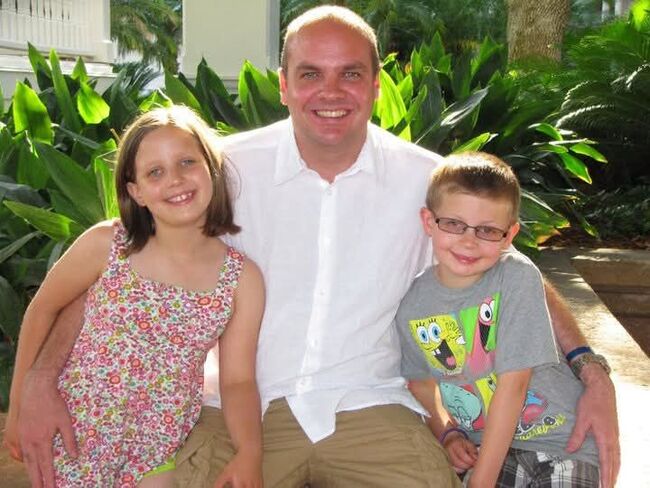
Amelia: “My dad went away to Afghanistan when I was very young. We frequently moved to different areas, both within the UK and abroad. My dad was posted to Saudi Arabia, and we originally moved there as a family. I lived there for over two years and attended a British International School in Riyadh. I then moved back home to the UK to attend a boarding school where I was also separated from my family for long periods of time.”
Jen: “I really loved visiting my dad on stations and seeing where he worked and seeing the different aircraft. Families’ days were always great fun as I got to meet other military kids and there were usually tanks and helicopters plus air displays: it was like our own private air show! My dad was an Air Traffic Controller, so being in the Air Traffic towers is such a core memory of mine along with occasional flights in helicopters!”
Did you move around much growing up, and what impact did that have on you?
Liam: “We moved between Lincolnshire, Northern Ireland, Norfolk and back to Lincolnshire all between the ages of two and nine. It was certainly a less settled existence, but I didn’t know anything different, and I got used to making new friends and starting new schools. It was only once we settled in Lincolnshire and met non-military kids, that I realised moving around so often wasn’t the norm for most families.”
Amelia: “The impact that frequent relocations had on me was huge, especially whilst still being in education. From a young age, I had lived in foster homes, I was then adopted by my lovely parents and then as a family we moved around a lot which also meant moving schools frequently, trying to make new friends and settle into new areas. I did struggle emotionally at times, but over time I adapted to that lifestyle.”
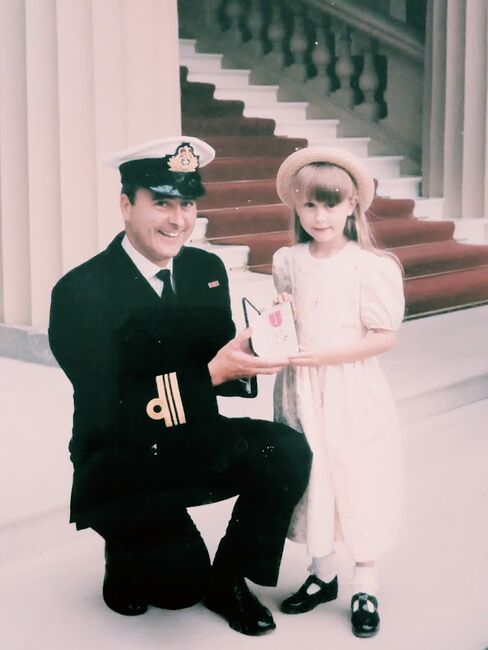
Jen: “We moved every two years which impacted my social and school life growing up until I was 11. I was lucky to have youth clubs, and we lived in married quarters, so got on well with the neighbours. One summer we (temporarily) pulled down the fences separating our gardens and had a massive garden party. But there was always anxiety knowing that no matter how settled I was in school with friends and learning, that it was temporary and I would have to move on in just two short years. Leaving friends and doing it all over again was really tough, but I feel fortunate that we stayed in the UK.”
How do you think your military upbringing shaped you as an adult?
Liam: “I think as an adult it has made me more adaptable and willing to face up to the realities of a situation. Moving around meant that I just had to get used to making new friends, integrating into new schools, and understanding new surroundings quickly, which I feel has been to my advantage as I have progressed into adult life. When my dad was deployed it was tough for me, my younger sister and my mum to deal with. You get better at accepting things for how they are, rather than how you would like them to be and adapting from there.”
Amelia: “I believe it enabled me to become more independent, resilient and understanding. I also have a greater cultural awareness, and I feel that it has shaped me to be more understanding as a person as I have met so many people along the way with different upbringings.”
Jen: “It taught me resilience at a young age and that I’m stronger than I think. It also taught me the power of connection and community – the service community for families means you have something in common straight away. My friends at youth club and neighbours understood my life more than my school friends.”
How have your experiences as a military child influenced the way you approach your role at the Fund?
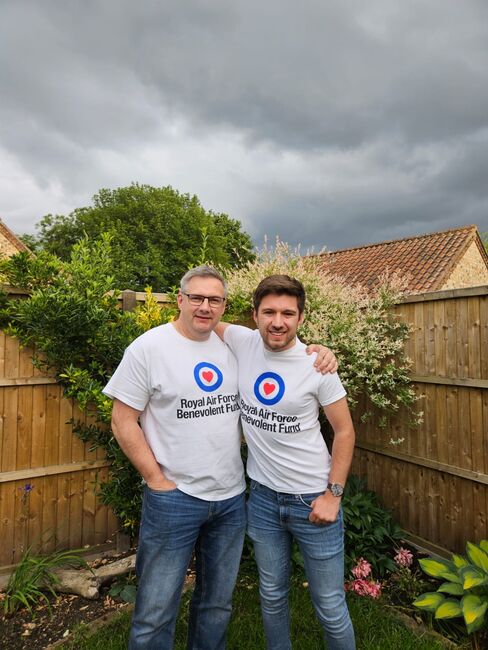
Liam: “I can empathise with the issues that RAF families continue to go through, having witnessed them first-hand growing up. It also makes me proud that, in my own small way, I can help to make sure these families have the support they need to confront the issues that can come up in service life.”
Amelia: “I have always felt a deep purpose to work in a field where I can create positive change and improve people’s quality of life. I completed my training at university and qualified as a mental health nurse. I feel extremely grateful that I have now been given the opportunity to work within the Respite and Care team at the Fund, holistically supporting veterans and their families with their mobility and health needs. I feel it is a deeply rewarding career to see the positive impact you can have on people’s lives both physically and emotionally.”
Jen: “Although I work in legacy giving, I’m very aware that a big part of the work of the Fund is to support RAF children and young people. I get a sense of satisfaction knowing that some future legacy gifts will help children who are also having to move every couple of years, by fostering that shared connection thanks to the amazing Airplay programme. Children don’t choose the life of being in a military family, so supporting them, especially in uncertain times, is such a passion for me and I’m so rewarded knowing that the work I do will make a small difference to someone’s life.”